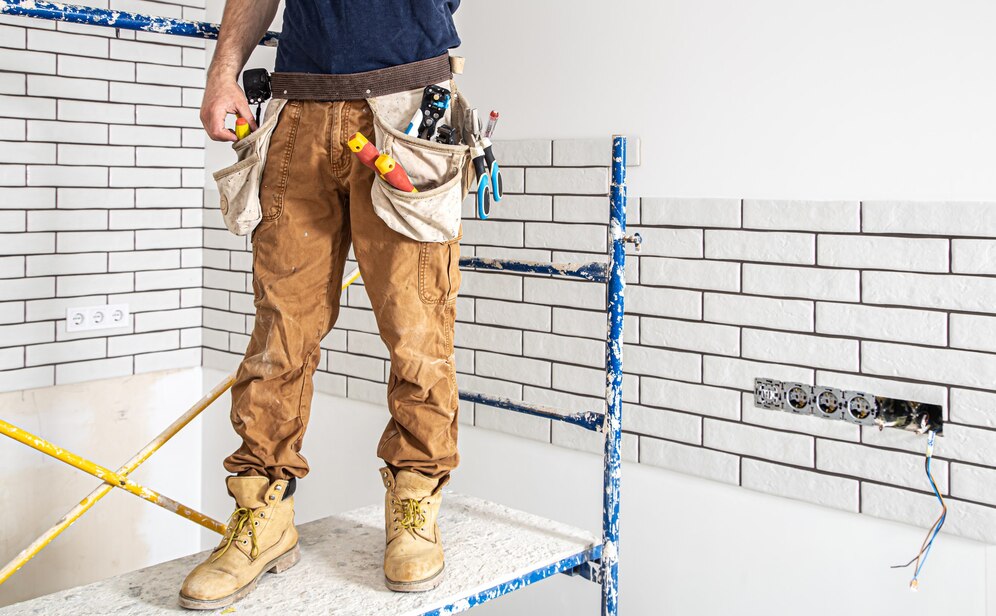
In the realm of modern construction, the demand for energy-efficient and sustainable building solutions has never been more pronounced. Insulated wall panels have emerged as a key component in achieving these goals, offering a myriad of benefits ranging from enhanced thermal performance to reduced construction timelines. Proper installation of these panels is crucial to maximizing their efficiency and reaping the full spectrum of advantages they offer.
Understanding Insulated Wall Panels
Insulated wall panels are composite building materials designed to provide insulation and structural support. They are typically composed of an insulating core sandwiched between two layers of structural board. These panels are utilized in various construction projects, including basement construction, due to their ability to improve energy efficiency and speed up construction processes.
Key Benefits
- Energy Efficiency: Insulated wall panels significantly reduce heat transfer, leading to lower energy consumption.
- Structural Strength: Despite their lightweight nature, these panels offer considerable strength and durability.
- Faster Installation: Their design allows for quicker installation compared to traditional wall systems.
- Cost-Effective: Reduced labor and material costs make these panels a financially viable option.
Steps for Effective Installation
Ensuring the optimal performance of insulated wall panels begins with a meticulous installation process. Adhering to the following steps can help achieve the desired outcomes:
Preparation
- Conduct a thorough site assessment to determine the specific requirements of the project.
- Ensure that the foundation is level and free from obstructions, especially crucial in concrete block basement construction.
- Gather all necessary tools and materials to avoid interruptions during the installation process.
Panel Installation
- Begin by aligning the first panel correctly, ensuring it is plumb and level.
- Secure the panel to the structure using appropriate fasteners, taking care to follow the manufacturer’s guidelines.
- Continue installing subsequent panels, ensuring tight joints and secure connections.
Final Checks
- Inspect all joints and connections for gaps or misalignments.
- Apply sealant or insulation tape where necessary to enhance thermal performance.
- Conduct a final inspection to ensure compliance with building codes and standards.
Choosing the Right Contractor
The success of an insulated wall panel installation project heavily depends on the expertise of the contractor. It is vital to engage professionals who have extensive experience in the field and a proven track record of delivering quality work.
When selecting a basement construction contractor, consider the following:
- Verify their experience with similar projects and request references.
- Ensure they are familiar with the latest industry standards and technologies.
- Discuss project timelines and ensure they can meet deadlines without compromising quality.
Conclusion
Maximizing efficiency with insulated wall panels requires a combination of quality materials, skilled installation, and professional oversight. These panels not only contribute to energy savings but also enhance the overall structural integrity and aesthetic appeal of a building. By following best practices and engaging reputable basement construction services, builders can ensure that their projects are both cost-effective and sustainable. Proper installation is the linchpin that enables these panels to perform at their peak, ultimately leading to successful project outcomes.