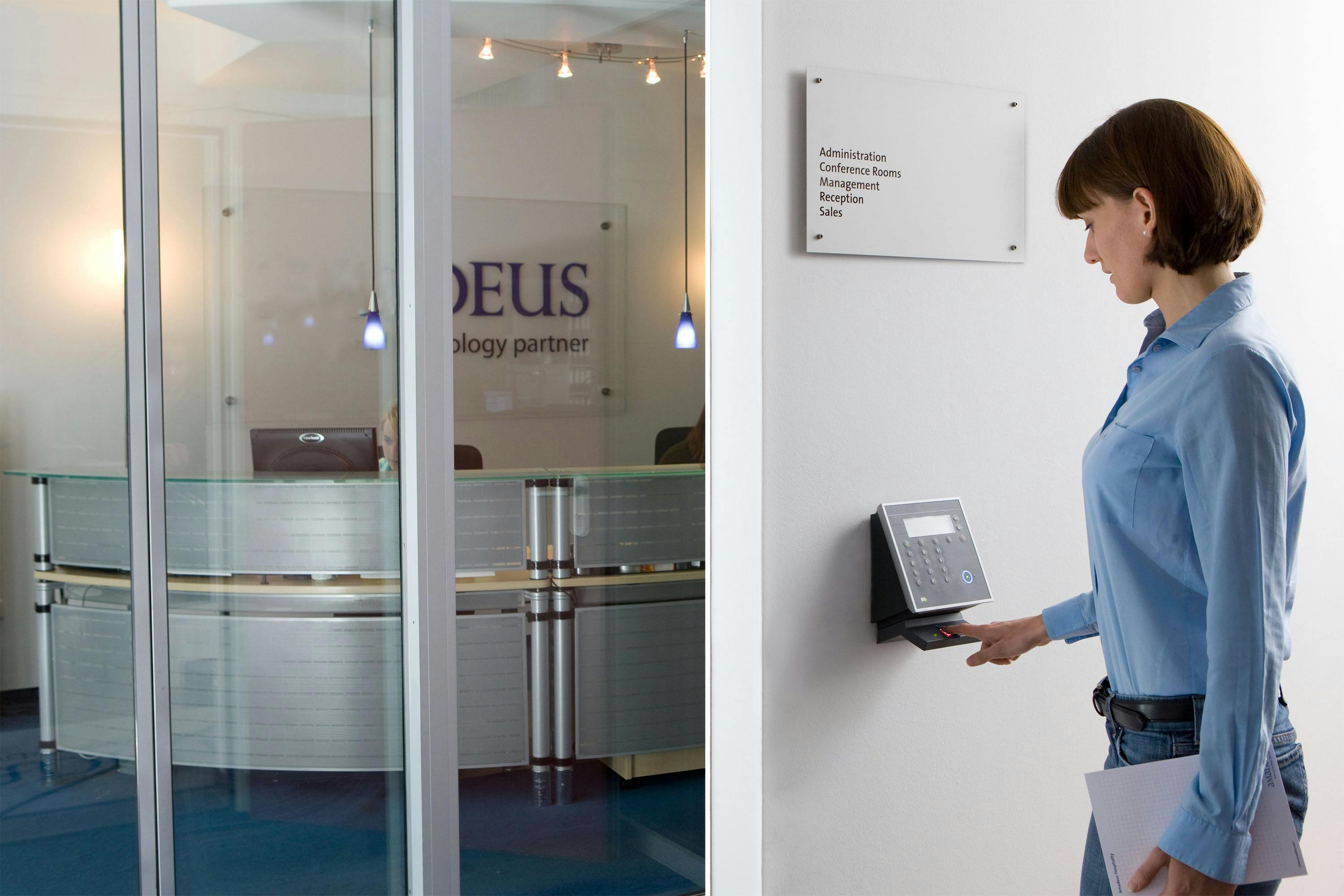
Installing security cameras is a crucial step in safeguarding both residential and commercial properties. With advancements in technology, the options available for security systems have expanded, making it easier than ever to monitor premises effectively. However, the process of installing these cameras requires careful planning and execution to ensure optimal performance and coverage. This article provides essential tips to help individuals and businesses install security cameras efficiently, enhancing safety and peace of mind.
Planning Your Security Camera Installation
Before embarking on the installation process, a well-thought-out plan is necessary. This involves assessing the areas that need monitoring and identifying the objectives of the surveillance system.
- Conduct a thorough risk assessment of your property to identify vulnerable areas.
- Determine the primary purpose of the cameras, such as deterring theft, monitoring employees, or enhancing safety.
- Consider the type of cameras needed, such as indoor, outdoor, wired, or wireless options.
- Explore advanced guides and tips on how to choose the right system for your needs here.
Choosing the Right Locations
The effectiveness of security cameras heavily depends on their placement. Strategic positioning can maximize coverage and minimize blind spots.
Key Considerations for Camera Placement
- Install cameras at entry and exit points to capture clear images of anyone entering or leaving the premises.
- Ensure cameras are placed high enough to prevent tampering but low enough to capture detailed footage.
- For outdoor cameras, consider weather-resistant models and install them under eaves or other protective structures.
- Find out more about this approach here.
Setting Up the System
Proper setup is crucial to ensure the security system functions as intended. This involves both the hardware and the software components.
Hardware Installation Tips
- Follow the manufacturer’s instructions carefully for mounting cameras and connecting wires.
- Use quality cables and connectors to ensure a stable connection and minimize signal loss.
- Test the camera’s field of view and adjust angles as necessary to cover the desired areas.
Configuring Software and Networks
- Set up a secure network connection, using strong passwords and encryption to prevent unauthorized access.
- Configure the system?s software to set recording schedules and alerts as per specific requirements.
- Discover expert strategies here to optimize software settings and network security.
Maintaining Your Security Cameras
Regular maintenance is essential to ensure the longevity and reliability of security cameras. It helps in identifying any technical issues and maintaining the clarity of captured footage.
- Conduct routine checks to ensure cameras are clean and free from obstructions such as dirt or spider webs.
- Periodically review recorded footage to ensure clarity and verify the system is capturing images correctly.
- Update the system?s software regularly to benefit from new features and improved security measures.
- Learn about our tailored solutions here to maintain and upgrade your security systems effectively.
In conclusion, the installation of security cameras requires careful consideration and meticulous planning. By following these essential tips, individuals and businesses can enhance their security measures, ensuring optimal protection for their properties. Whether choosing the right locations, setting up systems, or maintaining equipment, each step plays a vital role in the overall effectiveness of a surveillance system. For more comprehensive advice and strategies, consider exploring resources and expert guides available online.