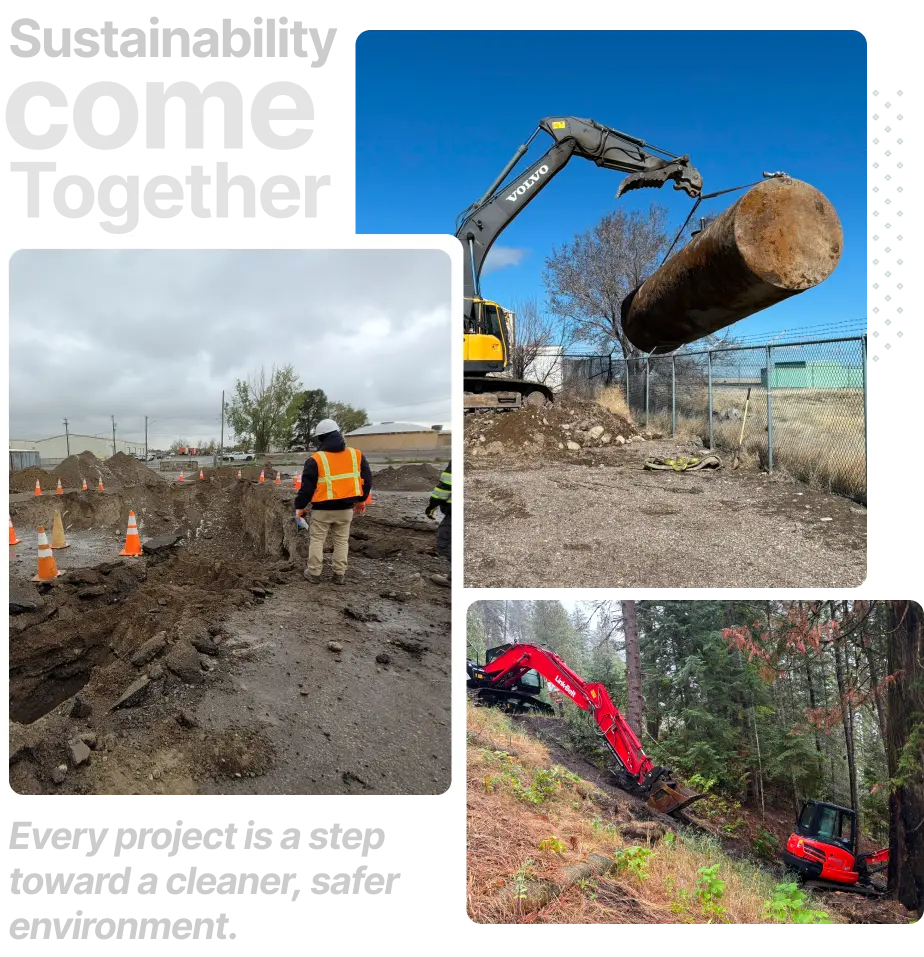
In today’s rapidly evolving environmental landscape, precise hydrologic modeling is crucial for managing water resources effectively. As communities and industries face increasing challenges related to water availability, quality, and management, the demand for accurate and reliable hydrologic models grows. These models serve as vital tools in predicting water flow, assessing flood risks, and guiding sustainable water management practices. With cutting-edge technologies and methodologies, hydrologic modeling services provide indispensable insights that facilitate informed decision-making.
The Importance of Hydrologic Modeling
Hydrologic modeling is essential for a diverse range of applications, from urban planning to environmental conservation. It allows stakeholders to gain a comprehensive understanding of water systems, enabling proactive management strategies. The significance of hydrologic modeling includes:
- Predicting and managing flood risks to protect infrastructure and communities.
- Optimizing water resource allocation for agricultural, industrial, and domestic uses.
- Supporting climate change adaptation strategies by understanding potential impacts on water systems.
- Enhancing ecosystem management by simulating natural water flow and its effects on biodiversity.
For those interested in advancing their understanding of hydrologic modeling, discover expert strategies here.
Key Components of Effective Hydrologic Modeling
Data Collection and Analysis
Accurate data collection is the cornerstone of reliable hydrologic modeling. This involves gathering information on precipitation, soil characteristics, topography, and land use patterns. Advanced technologies such as remote sensing and geographic information systems (GIS) play a pivotal role in enhancing data accuracy and accessibility.
Model Calibration and Validation
To ensure precision, models must be carefully calibrated and validated against observed data. This process involves adjusting model parameters to closely align simulations with real-world observations. The iterative nature of this step ensures that models can reliably predict future scenarios.
For more detailed insights into these processes, learn about our tailored solutions offered by leading experts in the field.
Scenario Analysis and Decision Support
Once validated, hydrologic models serve as powerful tools for scenario analysis. They allow stakeholders to simulate various scenarios, such as changes in land use or climate conditions, to forecast their impact on water systems. The insights gained from these analyses inform policy-making and resource management decisions.
Technological Innovations in Hydrologic Modeling
Technological advancements have significantly enhanced the capabilities of hydrologic modeling. Innovations such as artificial intelligence (AI) and machine learning enable models to process vast datasets with high efficiency and accuracy. These technologies also facilitate real-time monitoring and predictive analytics, which are crucial for adaptive management strategies.
To explore advanced guides and tips on leveraging technology in hydrologic modeling, explore advanced guides and tips available online.
Applications Across Sectors
Hydrologic modeling services are utilized across various sectors, each benefiting from tailored approaches:
- Urban Planning: Assists in designing drainage systems and mitigating urban flooding.
- Agriculture: Optimizes irrigation strategies to enhance crop yields while conserving water resources.
- Environmental Conservation: Supports restoration projects by assessing the hydrologic impacts of proposed interventions.
- Energy Sector: Informs the management of hydroelectric power plants by predicting water availability and fluctuations.
To find out more about this approach and its applications, find out more about this approach.
Conclusion
The role of hydrologic modeling in sustainable water resource management cannot be overstated. As environmental challenges continue to mount, the need for precise, data-driven insights becomes ever more critical. By integrating cutting-edge technologies and methodologies, hydrologic modeling offers robust solutions that empower stakeholders to make informed decisions, ensuring the resilience and sustainability of water systems for the future.